The telecommunications spacecraft Mars is set to revolutionize communication in space. This high-performance spacecraft aims to enhance our understanding of Mars and improve data transmission capabilities.
Overview of the Telecommunications Spacecraft
The telecommunications spacecraft designed for Mars is set to revolutionize communication between Earth and the Martian surface. This advanced spacecraft incorporates cutting-edge technology to ensure reliable data transmission, enhancing our ability to explore the red planet.
Key features of the telecommunications spacecraft include:
- High Bandwidth: It offers improved bandwidth capabilities, allowing for faster data transfer rates.
- Extended Coverage: The spacecraft is designed to provide comprehensive coverage over a wide area of Mars, enabling communication with multiple missions simultaneously.
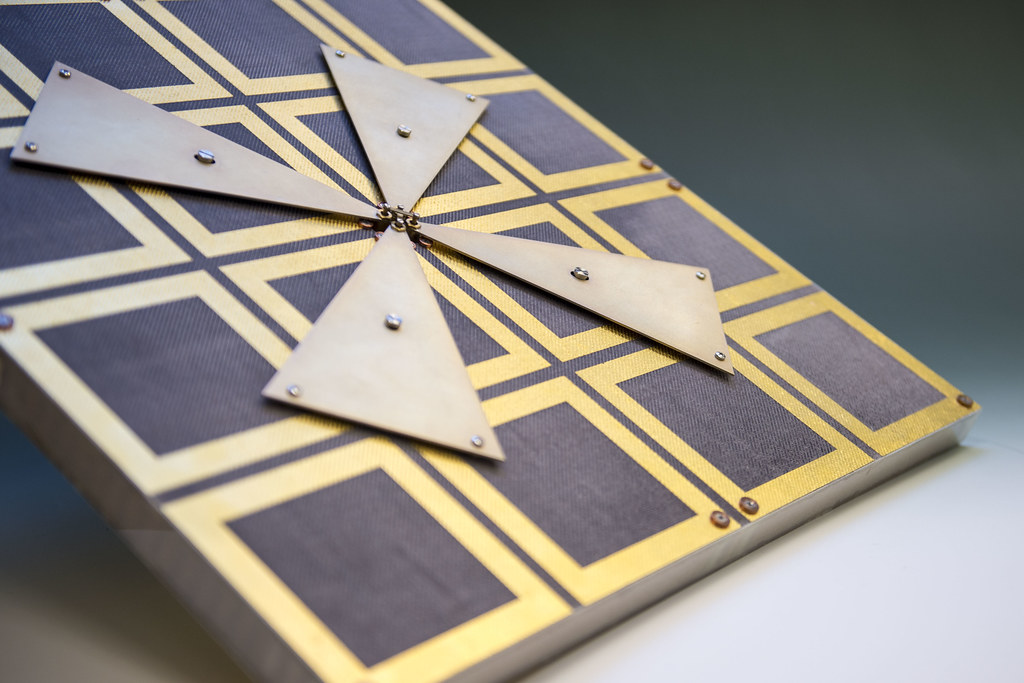
- Advanced Antenna Technology: Equipped with state-of-the-art antennas, it can maintain stable connections even during challenging atmospheric conditions.
- Durability: Built to withstand the harsh Martian environment, the spacecraft ensures longevity and consistent performance.
As scientists and engineers assess the potential impact of this telecommunications spacecraft on future Mars missions, it becomes increasingly clear that it could be the best option to facilitate ongoing exploration and research endeavors.
How the Spacecraft Will Orbit Mars
The telecommunications spacecraft Mars is designed to provide enhanced communication capabilities for missions exploring the Martian surface. Its unique orbit will allow it to maintain a consistent line of sight with both Earth and various landers operating on Mars.
Key features of the spacecraft’s orbit include:
- Geostationary Positioning: The spacecraft will be placed in a geostationary orbit, ensuring it remains fixed above a specific point on Mars. This stability is crucial for uninterrupted data transmission.
- Wide Coverage Area: By positioning the spacecraft at a high altitude, it can cover a substantial portion of the Martian surface, facilitating communication with multiple missions simultaneously.
- Low Latency: The advanced technology onboard the telecommunications spacecraft Mars will minimize signal delay, allowing for near real-time communication with scientists on Earth.
Overall, the strategic orbit of the spacecraft maximizes its effectiveness, ensuring that critical data from Mars can be relayed efficiently back to mission control.
Benefits of High-Performance Spacecraft
The introduction of high-performance telecommunications spacecraft is a game changer for interplanetary communication, particularly in the context of Mars exploration. These spacecraft offer several significant advantages that enhance our ability to gather and transmit data from the Red Planet.
- Improved Data Transmission: High-performance spacecraft can relay vast amounts of data back to Earth, allowing for real-time monitoring and analysis of Martian conditions.
- Enhanced Signal Strength: These spacecraft are equipped with advanced technology that ensures stronger signal transmission, reducing the likelihood of data loss.
- Longer Operational Lifespan: Designed for endurance, high-performance telecommunications spacecraft can operate effectively for extended periods, supporting long-term missions on Mars.
- Increased Coverage: By establishing a network of telecommunications spacecraft around Mars, we can achieve broader coverage, enabling continuous communication with multiple missions.
Overall, the telecommunications spacecraft Mars presents a compelling option for scientists and researchers, as its capabilities promise to revolutionize our understanding of the Martian environment.
Challenges in Space Communication
Despite the promising capabilities of the telecommunications spacecraft Mars, several challenges still loom over its mission. Effective communication between Earth and Mars is critical, yet the vast distance presents significant hurdles.
One major challenge is the time lag in signal transmission. Signals can take anywhere from 4 to 24 minutes to travel between the two planets, depending on their positions in their respective orbits. This delay can complicate real-time communication and data transfer.
Additionally, the harsh environment of space poses risks to the spacecraft’s technology. Factors such as radiation exposure and microgravity can affect the performance of communication systems. Engineers must ensure that the spacecraft is equipped with robust shielding and reliable components to withstand these conditions.
Another concern is the potential for interference from other celestial bodies and the increasing number of satellites in orbit. This interference can disrupt signals and degrade the quality of communications, which is essential for successful mission operations.
These challenges highlight the complexities involved in deploying a telecommunications spacecraft Mars effectively.
Future of Space Exploration Technology
The future of space exploration technology heavily relies on advancements in telecommunications spacecraft designed for missions beyond Earth. As humanity aims to deepen its understanding of Mars, the role of these spacecraft becomes increasingly critical. The ability to efficiently communicate data between Mars and Earth will not only enhance scientific research but also facilitate real-time decision-making for astronauts and robotic missions.
Key factors influencing the evolution of telecommunications spacecraft include:
- Increased Data Transmission Rates: Future spacecraft must be equipped with technologies that allow for faster transmission of large amounts of data, which is essential for scientific analysis.
- Enhanced Reliability: Ensuring consistent communication links will be crucial, especially during critical mission phases.
- Adaptive Communication Protocols: As missions evolve, adaptable systems will allow for improved performance in varying conditions on Mars.
Ultimately, the telecommunications spacecraft Mars represents a pivotal development in the quest for deeper exploration and understanding of the Red Planet, positioning itself as a key player in future space missions.
Conclusion on Mars Telecommunications
In conclusion, the potential of the telecommunications spacecraft Mars presents a significant advancement in space communication technology. The spacecraft’s ability to establish a reliable communication network around the planet is set to enhance the transmission of data between Mars and Earth, facilitating more efficient exploration missions.
As we have seen, the benefits of deploying high-performance telecommunications systems extend beyond mere data transfer. They include:
- Improved data rates: The spacecraft can transmit vast amounts of information swiftly, allowing for real-time updates from Mars missions.
- Increased coverage: A dedicated telecommunications spacecraft can ensure continuous connectivity across various Martian regions.
- Support for future missions: A robust communication framework will be essential for upcoming manned missions and the establishment of Martian bases.
However, challenges remain, including the need for advanced technology to combat interference and the vast distances involved. Ultimately, investing in the telecommunications spacecraft Mars may prove to be the best option for the future of interplanetary exploration.
Many experts believe that the telecommunications spacecraft Mars offers unparalleled advantages for interplanetary communication. As we explore the potential of the telecommunications spacecraft Mars, its ability to enhance data transmission could revolutionize our understanding of the Red Planet.
Photo by Zelch Csaba on Pexels