Reusable launch vehicles are becoming a focal point in space exploration. Lee Hae-min emphasizes their importance for the Nuri rocket’s future development, alongside the role of AI in enhancing security against hacking.
The Future of Reusable Launch Vehicles
The future of reusable launch vehicles appears promising as advancements in technology continue to shape the aerospace industry. Lee Hae-min, a leading figure in rocket development, emphasizes the need for innovation to enhance the efficiency and sustainability of space missions.
With the Nuri rocket at the forefront of this evolution, experts believe that integrating reusable systems could significantly reduce costs and increase launch frequency. The adoption of these vehicles is not just about economic benefits; it also aligns with global efforts to minimize environmental impacts associated with space exploration.
Key advantages of reusability include:
- Lower operational costs through vehicle refurbishment.
- Increased access to space for various missions.
- Enhanced reliability through proven technology.
As discussions around the Nuri rocket progress, the potential of reusable launch vehicles could reshape the landscape of space travel for years to come.
How AI Can Enhance Security
As the development of reusable launch vehicles continues to advance, integrating artificial intelligence (AI) into their security systems has become paramount. Lee Hae-min emphasizes that the security of the Nuri rocket, which relies on these innovative vehicles, can only be effectively managed through the use of AI technologies. This proactive approach aims to counteract potential threats, especially in an era where cyber-attacks are increasingly sophisticated.
AI can enhance security in several ways:
- Real-time monitoring: AI systems can analyze data streams continuously, identifying anomalies that may signal security breaches.
- Predictive analytics: By assessing historical data, AI can forecast potential vulnerabilities and implement preventive measures.
- Automated threat response: Machine learning algorithms can react swiftly to threats, reducing response times and minimizing risks.
With the integration of AI, the safety and reliability of reusable launch vehicles like the Nuri rocket could see significant improvements, ensuring their successful deployment and operation in space missions.
Challenges in Developing Reusable Rockets
Developing reusable launch vehicles presents several significant challenges that must be addressed to ensure the success of the Nuri Rocket program. One of the primary hurdles is the engineering complexity involved in designing rockets that can withstand multiple launches and landings. Durability and reliability are crucial, as even minor failures can lead to catastrophic outcomes.
Additionally, the cost-effectiveness of reusable launch vehicles is often questioned. While they have the potential to reduce overall launch costs, the initial investment in technology and infrastructure can be substantial. Stakeholders must weigh these expenses against the long-term savings and benefits.
Another challenge is the regulatory landscape, which is continually evolving as new technologies emerge. This can lead to delays and complications in development timelines. Lastly, ensuring compatibility with existing launch systems and payloads remains a priority, as integration issues can hinder progress in the reusable launch vehicle landscape.
Lee Hae-min’s Vision for Space Travel
Lee Hae-min, a prominent figure in the aerospace industry, believes that reusable launch vehicles are essential for the future of space exploration. In a recent interview, he emphasized that the Nuri rocket’s development should prioritize these innovative systems to enhance cost-efficiency and sustainability.
According to Lee, the transition to reusable launch vehicles could revolutionize access to space by:
- Reducing launch costs significantly
- Minimizing waste generated from single-use rockets
- Enabling more frequent launches for various missions
He also highlighted the role of advanced technologies, including artificial intelligence, in ensuring the safety and reliability of these vehicles. Lee noted, “We are committed to developing a design that incorporates AI not only for operational efficiency but also for mitigating potential security threats.” His vision illustrates a future where reusable launch vehicles play a pivotal role in making space travel more accessible and sustainable for generations to come.
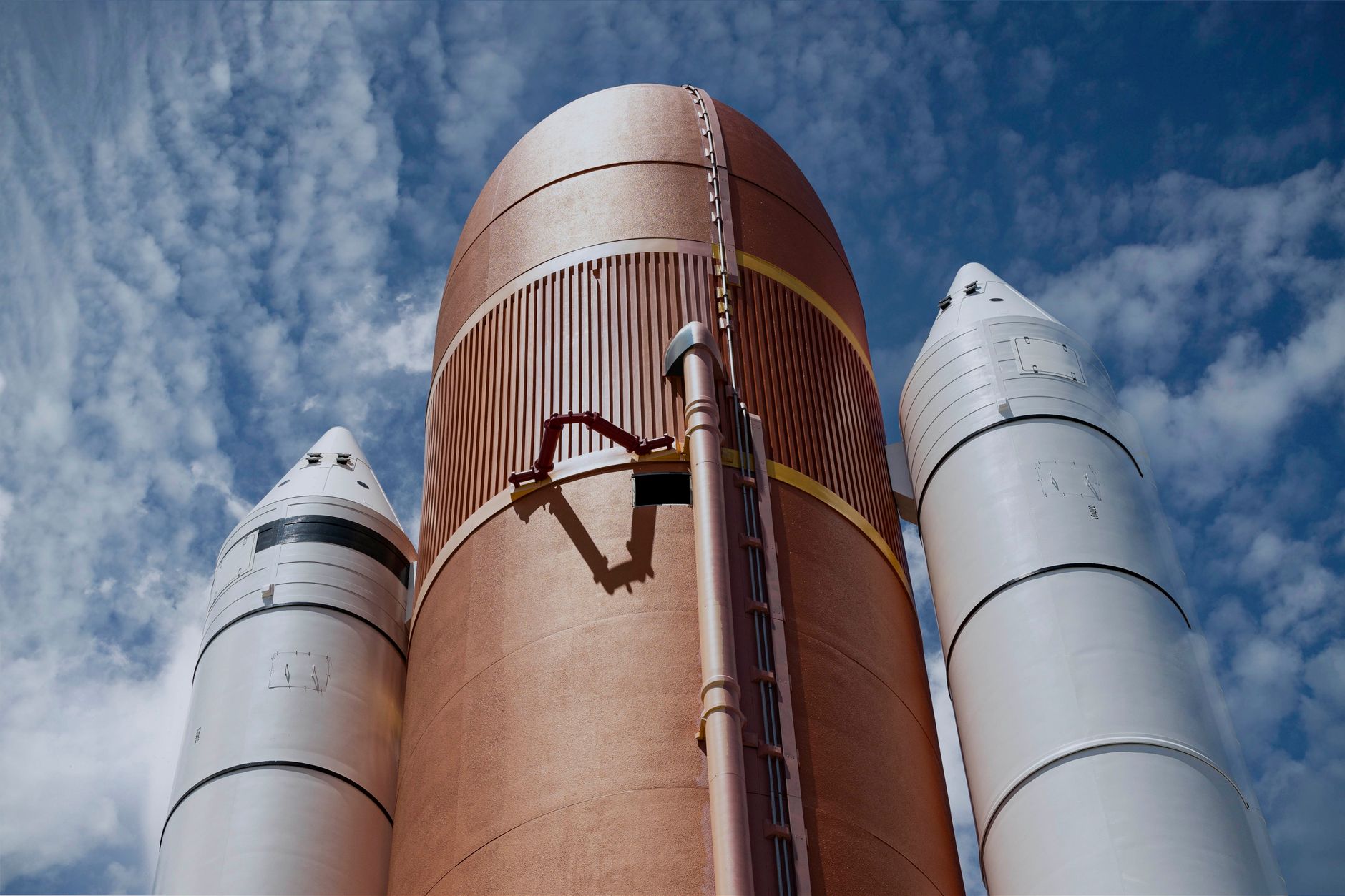
Photo by john mckenna on Pexels