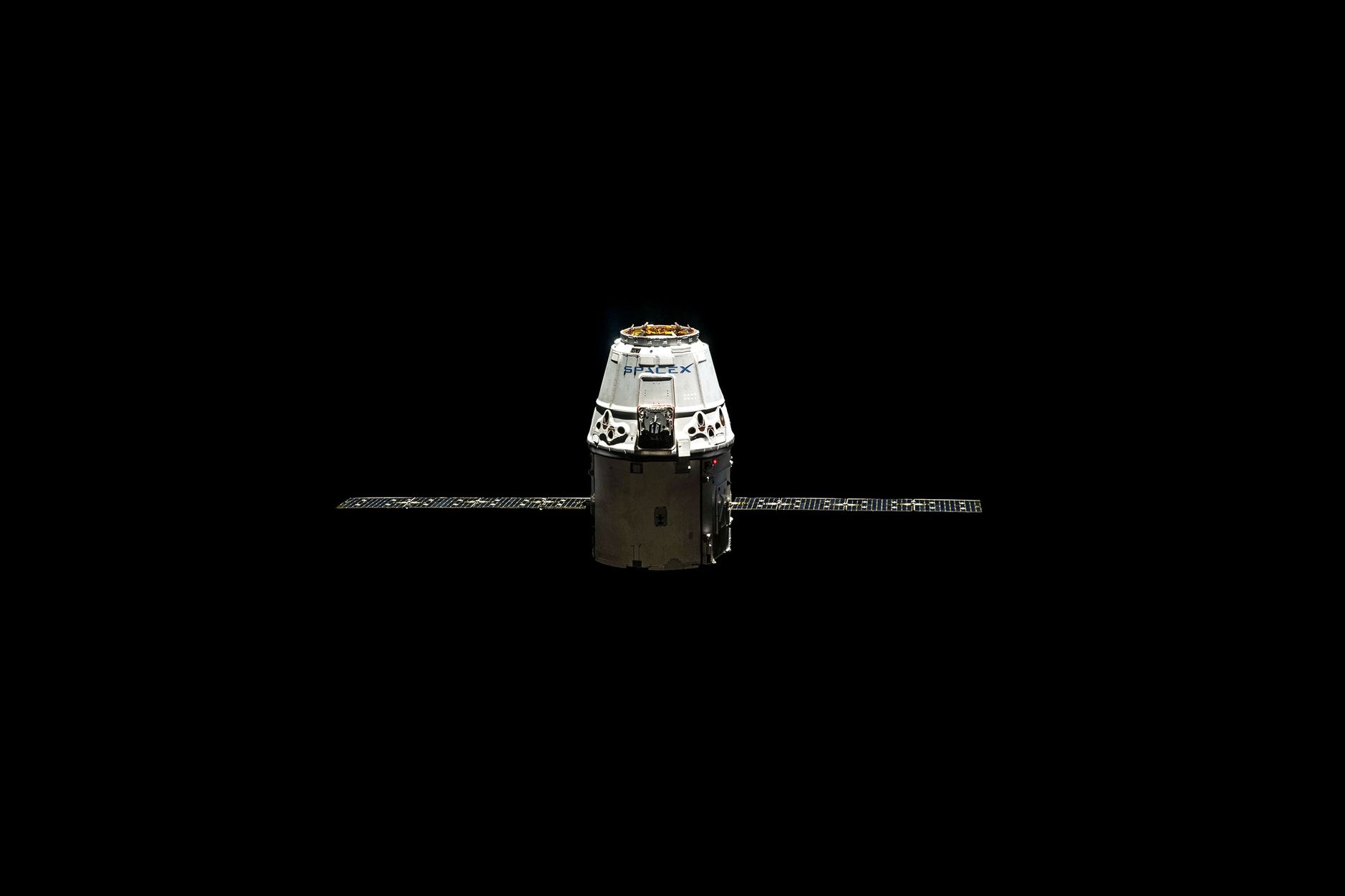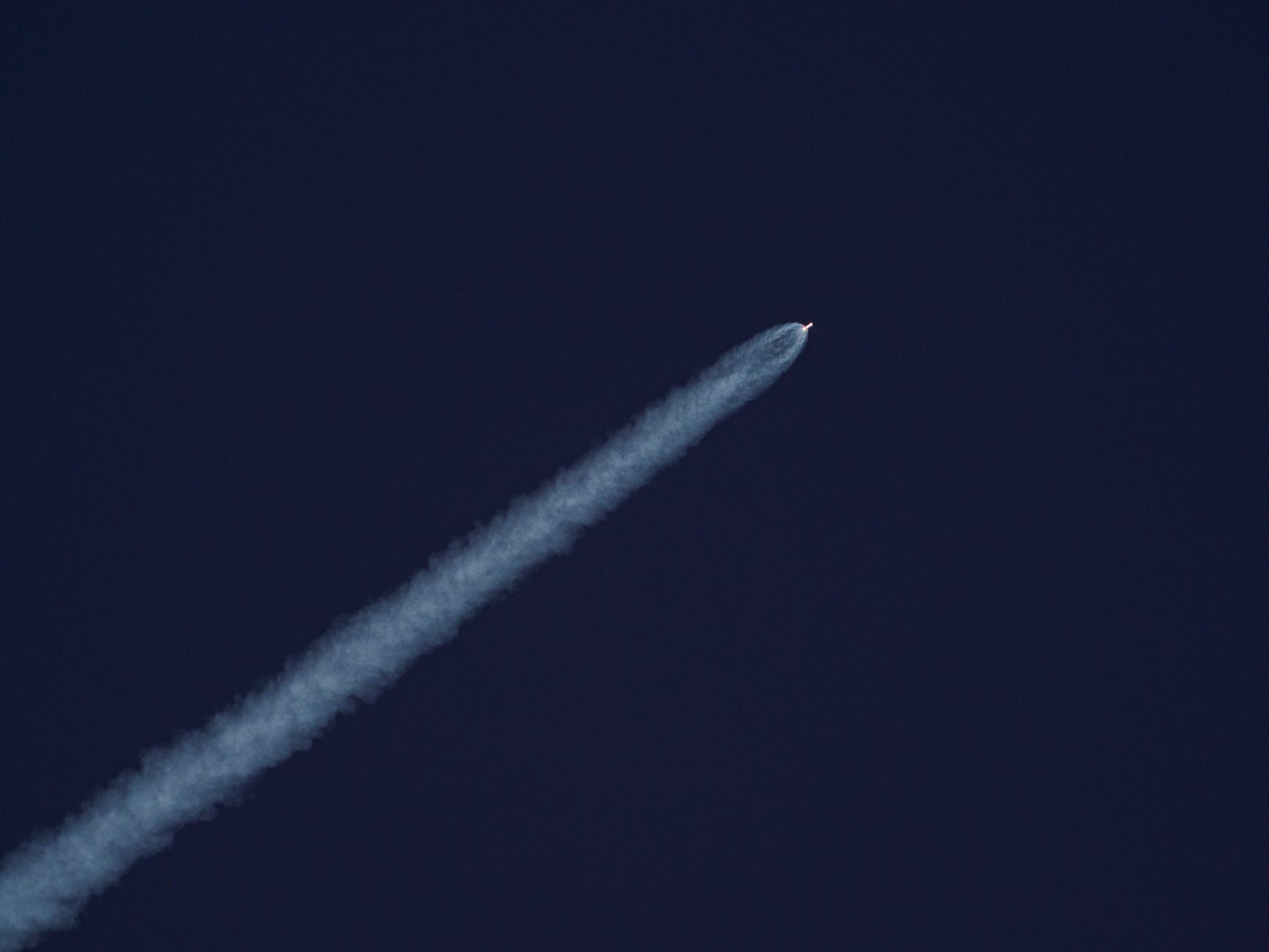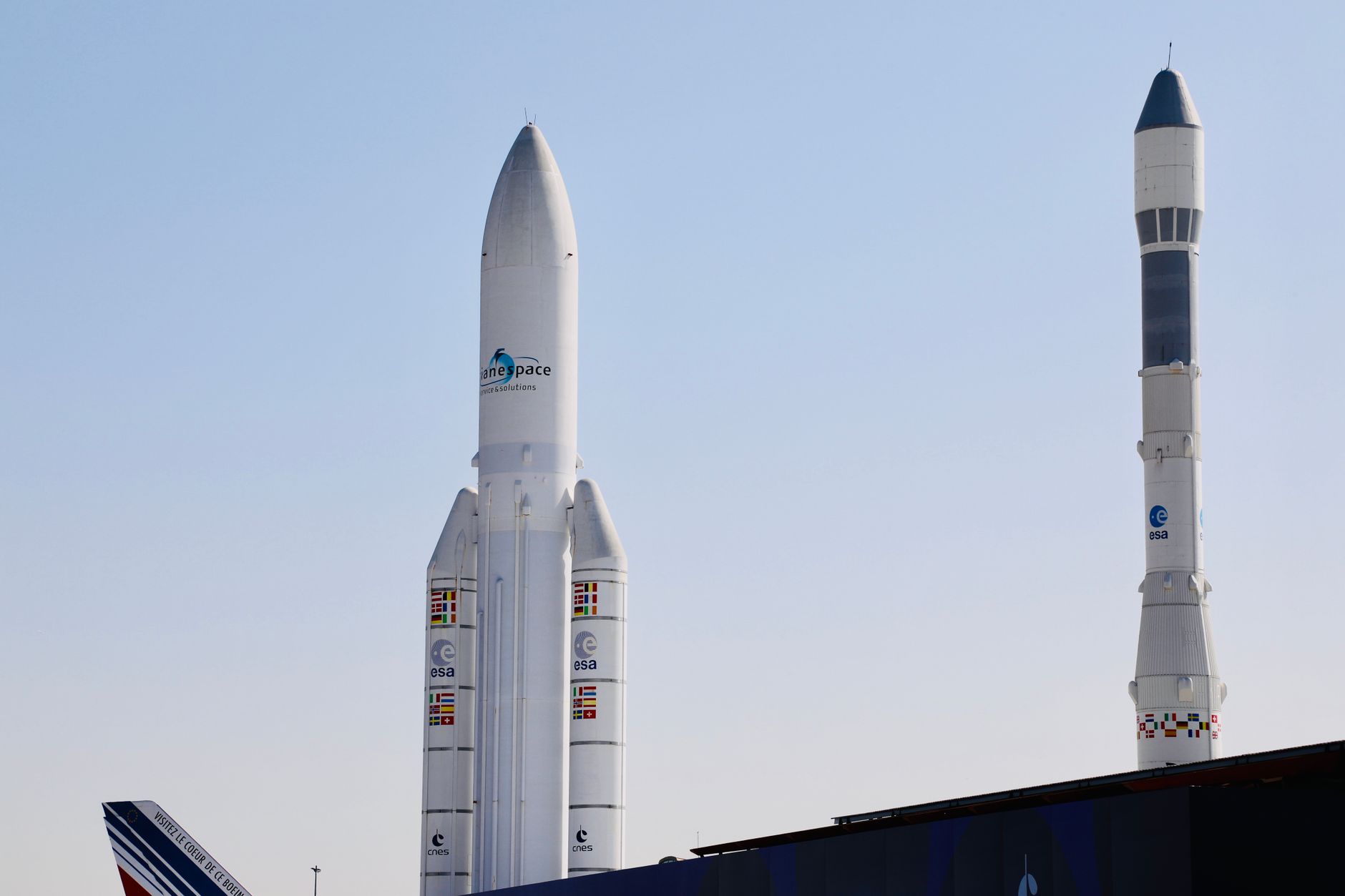

Pak-China ironclad friendship is exemplified by the Shenzhou-24 mission, showcasing the strong ties between Pakistan and China. Prime Minister Shehbaz emphasizes this collaboration as a testament to their enduring partnership.
The Significance of Shenzhou-24
The recent Shenzhou-24 mission has been hailed as a significant milestone in the Pak-China ironclad friendship, demonstrating the deep-rooted ties between the two nations. Prime Minister Shehbaz Sharif emphasized that this mission serves as “living proof” of the collaborative spirit and mutual trust that define the relationship between Pakistan and China.
This mission not only showcases advancements in space exploration but also highlights the joint efforts in science and technology that both countries have undertaken. The successful launch and operation of Shenzhou-24 symbolize the commitment of both nations to work together in various fields, including:
- Space exploration and technology
- Scientific research and development
- Cultural exchange and cooperation
Furthermore, this collaboration in space missions strengthens their strategic partnership and enhances their global standing. The space endeavors between Pakistan and China reflect a shared vision for progress and innovation, reinforcing the importance of their ironclad friendship.
As both countries look to the future, initiatives like Shenzhou-24 pave the way for further joint projects and collaborations that can benefit not only Pakistan and China but also contribute to advancements in global scientific communities.
Understanding Pak-China Relations
The relationship between Pakistan and China, often referred to as the Pak-China ironclad friendship, has evolved over decades, marked by mutual respect and cooperation across various sectors. This partnership is not only strategic but also rooted in shared goals and aspirations.
Historically, the two nations have collaborated on numerous projects, which include significant developments in trade, defense, and technology. More recently, their cooperation has extended into space exploration, as evidenced by the Shenzhou-24 mission, which symbolizes the trust and collaborative spirit between the two countries.
Key aspects of the Pak-China relationship include:
- Economic Cooperation: Joint ventures and investments, particularly in infrastructure, have strengthened ties.
- Defense Collaboration: Both countries engage in military exchanges and defense technology sharing, enhancing regional stability.
- Cultural Exchanges: Programs promoting cultural understanding have further solidified their bond.
As both nations continue to navigate global challenges, their enduring partnership showcases a commitment to working together, reinforcing the notion that their friendship is indeed ironclad.
Impact on Space Exploration
The recent Shenzhou-24 mission has underscored the profound impact of the Pak-China ironclad friendship on space exploration. This collaboration not only signifies a deep-rooted partnership but also showcases the combined efforts of both nations in advancing their scientific capabilities.
As part of the mission, Chinese astronauts conducted various experiments that highlighted the technological advancements achieved through mutual cooperation. The successful launch and operation of Shenzhou-24 serve as a testament to the trust and synergy between Pakistan and China in the realm of space science.
Key aspects of this collaboration include:
- Joint Research Efforts: Both countries are pooling resources and expertise to tackle complex challenges in space technology.
- Technology Transfer: Through this partnership, Pakistan is gaining access to advanced technologies that will enhance its own space programs.
- Educational Opportunities: Collaborative training programs have been established for aspiring scientists and engineers from Pakistan, fostering a new generation of space explorers.
Ultimately, the Shenzhou-24 mission exemplifies how the Pak-China ironclad friendship extends beyond traditional ties, paving the way for significant advancements in space exploration and research.
Future Collaborations in Space
The recent success of the Shenzhou-24 mission has opened new avenues for cooperation between Pakistan and China, highlighting the potential for future collaborations in space. Both nations have expressed a commitment to further strengthen their ties, leveraging advancements in technology and shared goals.
As part of their ongoing partnership, several initiatives are being considered:
- Joint Research Programs: Establishing collaborative research projects focused on satellite technology and space exploration.
- Training Opportunities: Offering training programs for Pakistani scientists and engineers at Chinese space agencies, fostering knowledge exchange.
- Shared Satellite Launches: Planning joint satellite launches to enhance communication and data sharing capabilities.
- Investment in Infrastructure: Developing shared infrastructure to support space missions, including launch facilities and ground stations.
These initiatives not only signify the strengthening of the Pak-China ironclad friendship but also aim to position both countries as leaders in the global space community. As they look to the future, the collaboration in space will undoubtedly pave the way for innovative solutions to pressing challenges, benefiting both nations and contributing to regional stability.
The recent collaboration in the space mission highlights the strength of the Pak-China ironclad friendship, showcasing both nations’ commitment to scientific advancement. As they work together, the Pak-China ironclad friendship continues to evolve, paving the way for future joint ventures in various fields.
References
You might also like
Vivo X500s Specifications: Complete Features List Revealed · AI Layoff Policy: The Right Approach for Job Security · HMD Rise launch: Best smartphone with proven battery life