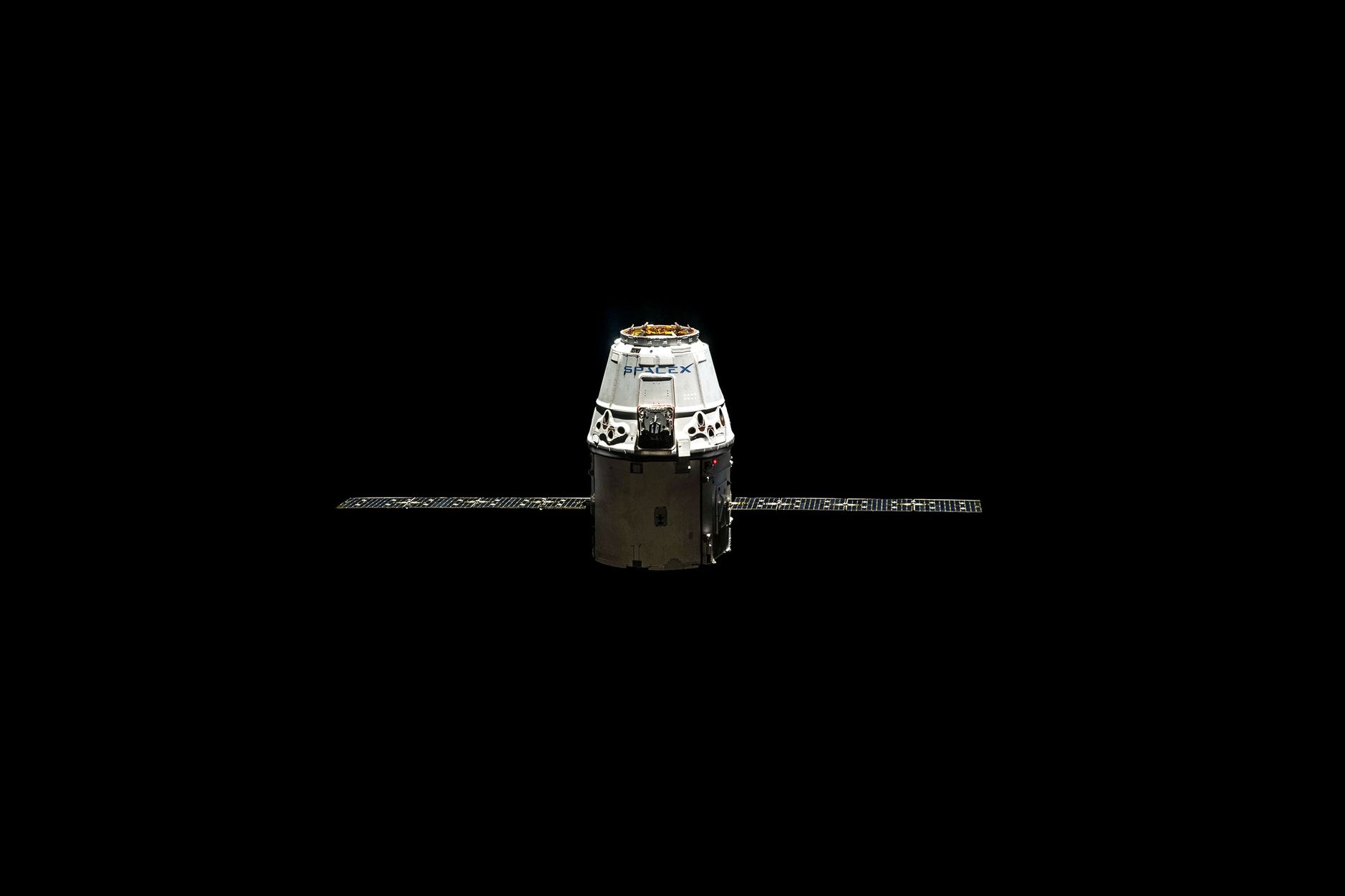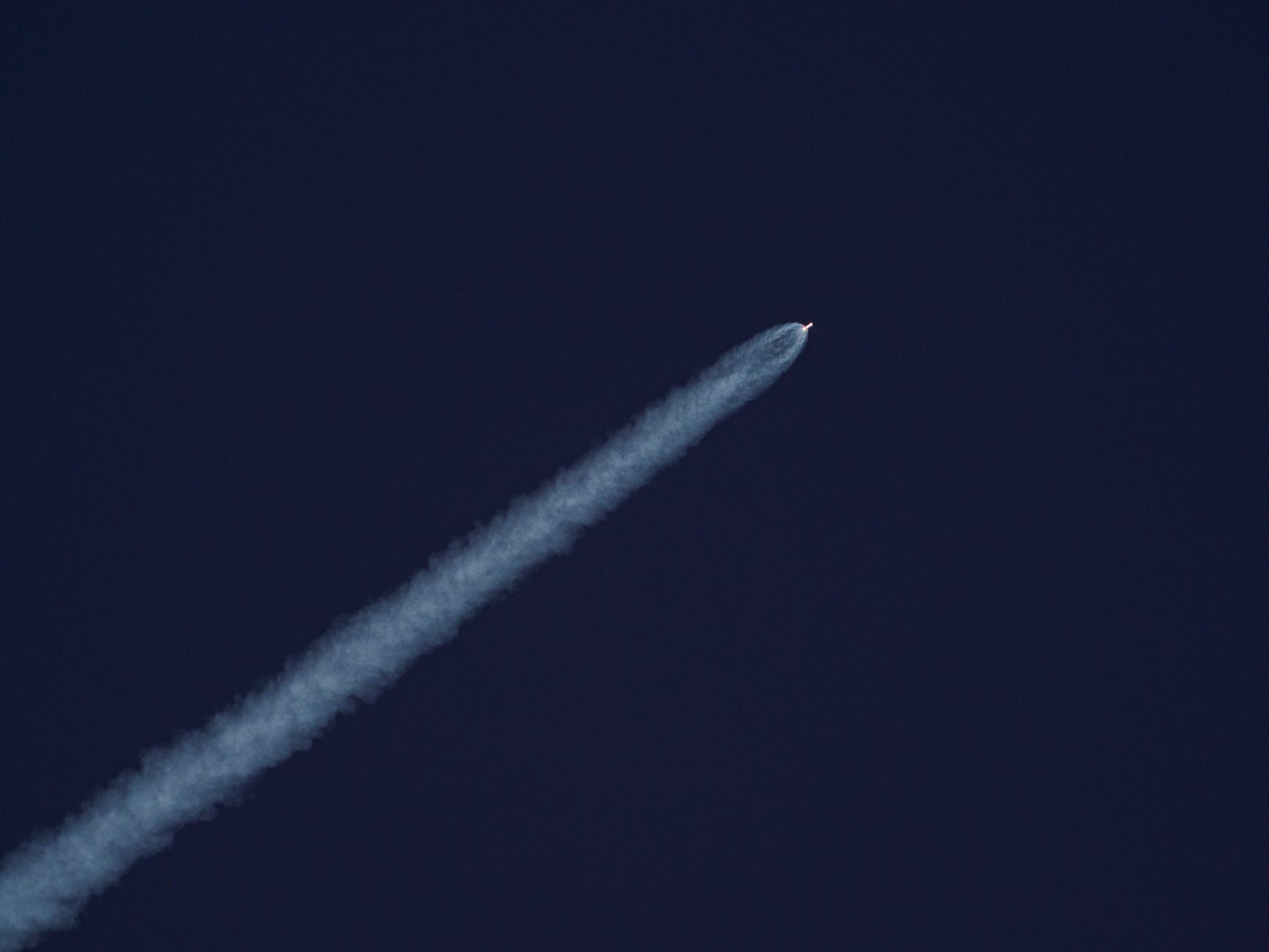

SpaceX rocket turnaround has set a new record with two launches in just 32 hours. This impressive feat showcases the company’s rapid launch capabilities and commitment to innovation in space travel.
Overview of SpaceX’s Record Launches
SpaceX has once again pushed the boundaries of aerospace engineering with its remarkable ability to achieve rapid rocket turnaround times. The company’s recent achievement of launching two rockets in just 32 hours marks a significant milestone in the space industry. This impressive feat not only showcases SpaceX’s operational efficiency but also highlights its commitment to increasing access to space.
The record-breaking launches were conducted from a single launch pad, demonstrating SpaceX’s innovative approach to rocket reusability. By rapidly refurbishing and preparing rockets for subsequent missions, SpaceX has set a new standard for turnaround times, which is essential for meeting the growing demand for satellite deployments and other space missions.
Key factors contributing to this swift turnaround include:
- Streamlined processes: SpaceX has implemented efficient workflows that minimize downtime between launches.
- Reusable rocket technology: The Falcon 9 and Falcon Heavy rockets are designed to be reused multiple times, reducing the need for new builds.
- Dedicated teams: Highly skilled teams work tirelessly to ensure that each rocket is ready for launch as quickly as possible.
With this latest success, SpaceX continues to demonstrate that its rocket turnaround capabilities are not only proven but also critical for the future of space exploration.
The Technology Behind Rapid Turnarounds
SpaceX has revolutionized the aerospace industry with its innovative approach to rocket turnaround. The company’s ability to achieve rapid launch times stems from a combination of advanced technology and meticulous planning. Key elements that contribute to this efficiency include:
- Reusable Rockets: SpaceX’s Falcon 9 is designed for multiple flights. After a launch, the first stage returns to Earth for refurbishment, significantly reducing costs and turnaround time.
- Automated Systems: Automated ground systems streamline operations, allowing for faster processing and integration of payloads. This technology minimizes human error and speeds up preparation.
- Dedicated Personnel: A highly trained team of engineers and technicians works around the clock to ensure that each rocket is ready for its next mission. Their expertise is crucial in maintaining the rapid pace.
- Efficient Ground Operations: SpaceX has optimized its launch pad operations, enabling quick transitions between launches. This efficiency was demonstrated in their recent achievement of launching two rockets in just 32 hours.
The culmination of these technologies and practices has set a new standard in the aerospace sector, making the SpaceX rocket turnaround not just a possibility but a proven success.
Impact on Space Industry
The recent achievement of SpaceX in achieving a rocket turnaround time of just 32 hours has sent shockwaves through the space industry, showcasing the potential for rapid launch capabilities. This milestone not only highlights SpaceX’s innovative technology but also raises significant implications for satellite deployment, interplanetary missions, and the overall economics of space travel.
Industry experts suggest that such quick turnaround times could revolutionize how satellite operators and space agencies plan their missions. With increased frequency of launches, companies will be able to deploy satellites more rapidly to meet the growing demand for global connectivity and data services. Additionally, the possibility of rapid resupply missions to the International Space Station and other space ventures could enhance human presence in space.
As the market for space travel expands, the ability to launch more frequently will likely lead to decreased costs per launch. This could pave the way for smaller companies to enter the field, fostering innovation and competition.
Furthermore, this record-breaking achievement underscores the importance of reliability in space operations, as stakeholders look to SpaceX’s model as a benchmark for future projects. The implications of such a rocket turnaround are profound, hinting at a new era of exploration and commercialization in space.
Future of SpaceX Launch Schedule
The future of the SpaceX launch schedule looks increasingly promising as the company continues to innovate and push the boundaries of rapid spaceflight. With the recent achievement of a SpaceX rocket turnaround that enabled two launches in just 32 hours, the implications for upcoming missions are significant.
SpaceX’s ability to achieve rapid turnarounds is not just a testament to their engineering prowess but also a game changer for the broader space industry. The implications of this efficiency extend to a variety of areas, including:
- Increased Launch Frequency: SpaceX’s success may lead to a more aggressive launch schedule, catering to both commercial and governmental clients.
- Cost Efficiency: Quicker turnarounds can reduce operational costs, making space access more affordable for a range of missions.
- Enhanced Reliability: As the technology matures, the reliability of launches is expected to improve, further attracting customers.
- Advancements in Technology: Continued focus on rapid launch capabilities will likely lead to innovations that benefit the entire aerospace sector.
As SpaceX solidifies its position as a leader in the space industry, the future of its launch schedule promises to deliver even more groundbreaking advancements.
Challenges Faced During Launches
Despite the impressive achievement of the SpaceX rocket turnaround, the company has faced several challenges during its rapid launch schedules. These challenges range from technical malfunctions to logistical hurdles that can arise in such a fast-paced environment.
One significant issue is ensuring the reliability of rocket components. SpaceX must guarantee that each rocket is thoroughly inspected and maintained before launch, which can lead to tight timelines. The company has developed robust protocols to address potential problems quickly, yet unforeseen technical issues can still arise.
Another challenge involves the coordination of ground support teams. With launches scheduled back-to-back, teams must work efficiently to refuel, reload, and prepare rockets for their next missions. This requires seamless communication and collaboration among various departments, all while adhering to strict timelines.
Additionally, weather conditions can pose a significant obstacle. Launch windows can be affected by unforeseen meteorological events, leading to last-minute changes in the launch schedule. SpaceX has learned to adapt quickly to these changes to maintain its rapid pace.
Ultimately, overcoming these challenges is essential for the success of the SpaceX rocket turnaround, as it not only impacts the company but also sets new standards in the space industry.
Comparing SpaceX to Competitors
In the realm of commercial spaceflight, SpaceX’s ability to achieve remarkable turnaround times has set it apart from its competitors. While many launch companies require weeks, if not months, to prepare for subsequent missions, SpaceX has consistently demonstrated that it can conduct rapid launches. This capability not only enhances mission efficiency but also reduces costs, making space more accessible.
SpaceX’s competitors, such as Blue Origin and United Launch Alliance (ULA), have made strides in developing their own launch capabilities, yet they often struggle with turnaround times. For instance:
- Blue Origin focuses on suborbital flights and has yet to establish a regular cadence of orbital launches.
- ULA has a more traditional approach, with extensive pre-launch checks that extend their turnaround times.
As SpaceX continues to refine its processes, its recent achievement of a SpaceX rocket turnaround in just 32 hours highlights the company’s dominance in the field. Such efficiency positions SpaceX not only as a leader in technology but also as a formidable competitor that is reshaping how launches are conducted. The implications of this rapid turnaround could redefine competition in the aerospace sector, pushing other companies to innovate or risk falling behind.
Public Reaction to Quick Launches
The recent achievement of SpaceX in executing a rocket turnaround within just 32 hours has sparked significant public interest and excitement. Many space enthusiasts and industry experts have taken to social media to express their admiration for the company’s efficiency and innovation.
Responses have varied widely, with some supporters praising SpaceX for pushing the boundaries of what is possible in space travel. One fan tweeted, “Incredible to see how quickly SpaceX can turn around a rocket! This is the future of space exploration!” Others have pointed out the implications of such rapid turnaround times on satellite deployment and interplanetary missions.
However, not all reactions have been positive. Some skeptics have raised concerns about the safety and reliability of launching rockets at such a fast pace. One critic commented, “While speed is impressive, we must ensure that safety protocols are not compromised in the name of efficiency.” This diverse range of opinions highlights the public’s deep engagement with SpaceX’s accomplishments.
As SpaceX continues to set records with its rocket turnaround capabilities, it remains to be seen how these developments will influence the broader landscape of the aerospace industry and public perceptions of space travel.
What This Means for Future Missions
The recent achievement of SpaceX in executing a remarkable rocket turnaround has significant implications for future missions in the space industry. With the ability to launch two rockets in just 32 hours, the company has demonstrated not only its technical prowess but also the potential to revolutionize space travel.
First and foremost, this rapid turnaround means that SpaceX can increase the frequency of launches, allowing for more payloads to be delivered to orbit within shorter time frames. This enhanced launch cadence can facilitate a variety of missions, from deploying satellites to supporting crewed spaceflights.
Moreover, the success of this turnaround may encourage other space agencies and companies to adopt similar practices, fostering a culture of efficiency and innovation. As competition intensifies, the pressure to achieve quick launch capabilities will likely drive advancements across the industry.
Additionally, the ability to conduct rapid launches can lead to quicker responses to urgent scientific missions or disaster relief efforts involving satellite deployment. This flexibility in scheduling enhances the reliability and utility of space missions.
Ultimately, the SpaceX rocket turnaround sets a new standard in the aerospace sector, paving the way for a future where quick and efficient launches become the norm rather than the exception.
The impressive SpaceX rocket turnaround has set a new standard in the aerospace industry. With each successful launch, the efficiency of the SpaceX rocket turnaround process continues to evolve, showcasing their innovative technology.
Sources
Related stories
Kaizen Gaming Philippines License: A Smart Move for Growth · Tesla FSD V15 Release: Best Proven Features to Expect · Apple TV 4K: Best Smart Streaming Device for Everyone