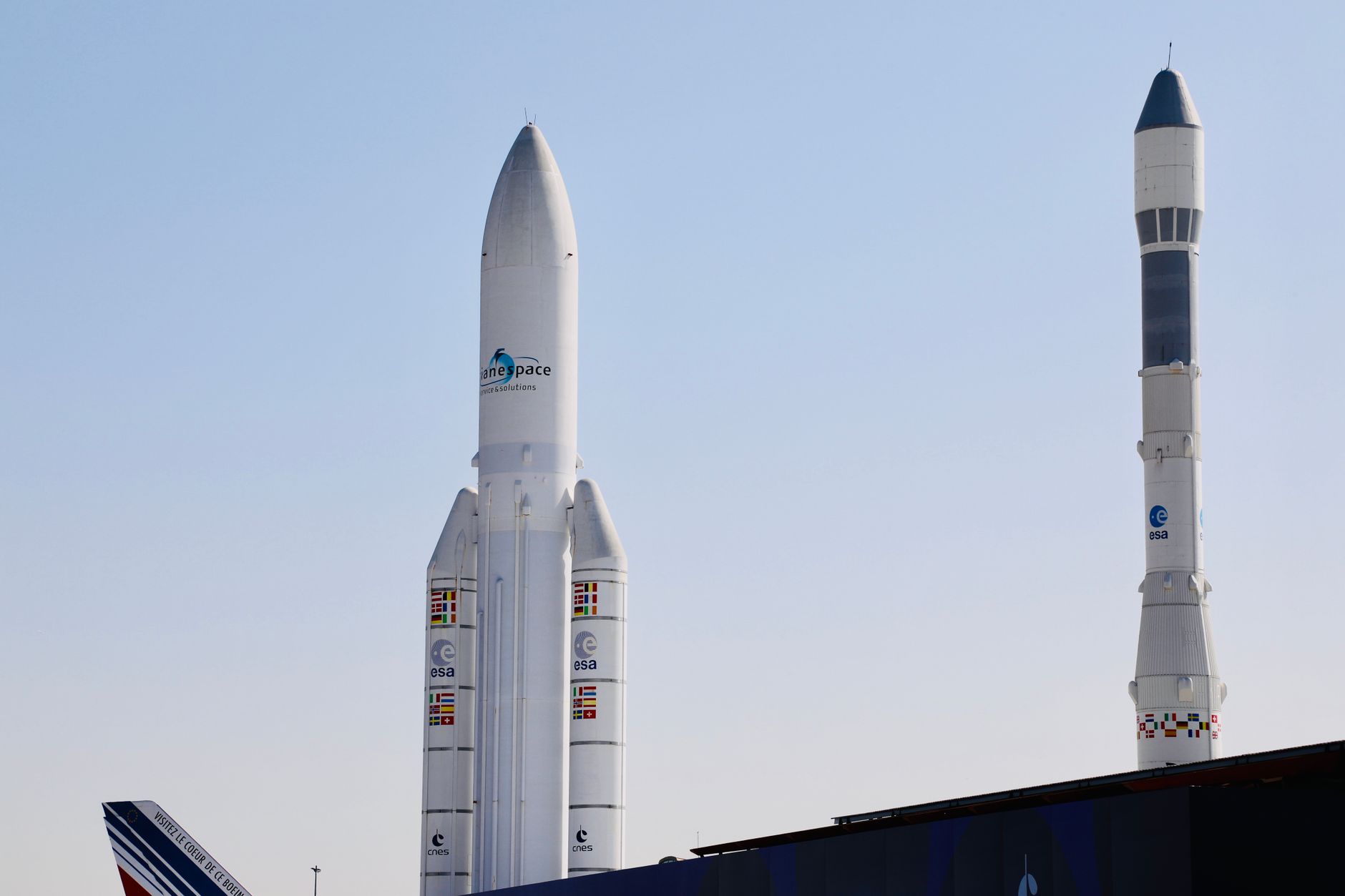

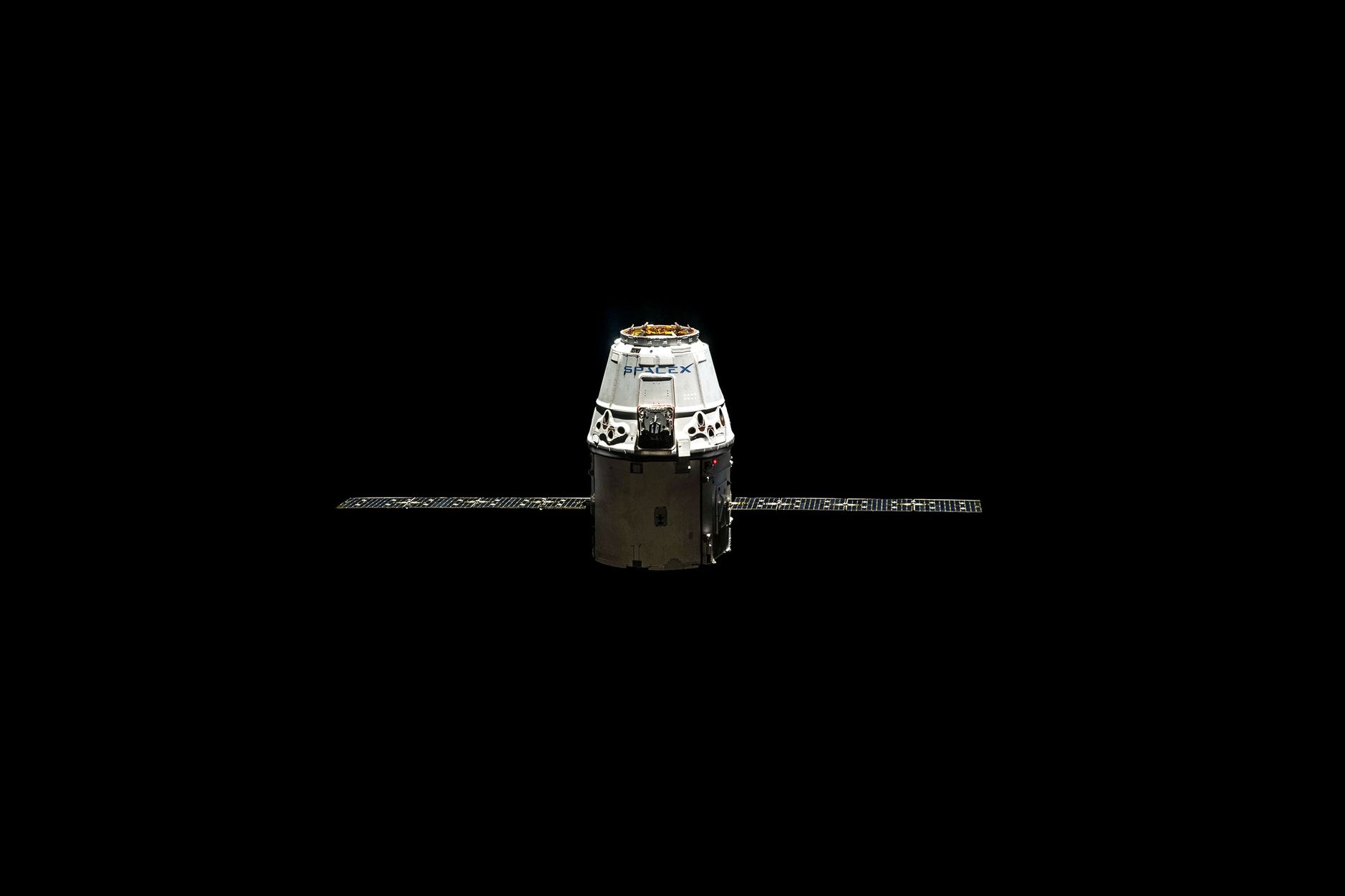
SpaceX Starship orbit has been achieved despite the Super Heavy booster failure. This milestone showcases the resilience and innovation of SpaceX in overcoming challenges in their ambitious space missions.
Overview of SpaceX’s Starship Mission
SpaceX’s Starship mission has become a significant focal point in the aerospace community, especially after its recent attempt to reach orbit. The ambitious project aims to revolutionize space travel and establish a sustainable human presence beyond Earth. Despite experiencing a failure with its Super Heavy booster, the Starship successfully completed its mission objectives, showcasing the resilience and innovation of the SpaceX team.
Key aspects of the Starship mission include:
- Reusability: Starship is designed to be fully reusable, reducing the cost of access to space.
- Payload Capacity: The spacecraft can carry a significant amount of cargo, facilitating various missions.
- Interplanetary Travel: The ultimate goal is to support missions to Mars and beyond.
While the recent launch has highlighted the challenges of achieving a successful orbit, it also underscores the potential of SpaceX’s Starship to redefine the future of space exploration.
Challenges Faced During Launch
The journey to achieving a successful SpaceX Starship orbit is fraught with challenges that engineers and scientists must navigate. One of the primary hurdles is the reliability of the Super Heavy booster, which plays a crucial role in propelling the Starship into orbit. Despite its recent failure, the mission highlighted several key issues that need addressing.
- Technical Failures: Unexpected malfunctions can arise during critical phases of launch, affecting trajectory and stability.
- Environmental Factors: Weather conditions, including wind and atmospheric pressure, can significantly impact launch readiness.
- Regulatory Hurdles: Compliance with safety regulations and obtaining launch permits can delay missions.
- Public Perception: The need for transparency and communication with the public is essential to maintain support for future missions.
Addressing these challenges is vital for the future of SpaceX’s ambitious plans for interplanetary travel.
Significance of Reaching Orbit
Reaching orbit with the SpaceX Starship is not just a milestone for the company; it signifies a major advancement in space exploration. Successfully achieving orbit allows for a new range of possibilities, including:
- Satellite Deployment: The ability to place satellites into orbit for communication, research, and observation.
- Interplanetary Missions: A stepping stone toward future missions to the Moon, Mars, and beyond.
- Space Tourism: Opening doors for private space travel and commercial opportunities.
Moreover, the significance of the SpaceX Starship orbit lies in its potential to revolutionize space travel by drastically reducing costs and increasing payload capacity. As challenges arise, each successful orbit will contribute to refining technology and engineering practices. This progress can lead to safer and more efficient missions, ultimately paving the way for humanity’s expansion into the cosmos.
Future Plans for SpaceX
As SpaceX continues to push the boundaries of space exploration, the future plans for SpaceX revolve significantly around the success of the Starship program. Following the recent achievement of reaching orbit, the company aims to refine its technology and develop more reliable systems for future missions.
SpaceX has outlined several key objectives:
- Enhancing Reusability: Improving the reusability of both the Starship and its Super Heavy booster to minimize costs and increase launch frequency.
- Testing New Technologies: Implementing advanced materials and propulsion systems to ensure safer and more efficient flights.
- Expanding Mission Capabilities: Preparing for crewed missions to the Moon and Mars, demonstrating the versatility of the Starship.
Ultimately, the successful deployment of the Starship into orbit is just the beginning of a new era in human spaceflight.
Technological Innovations in Space Travel
Technological innovations play a crucial role in advancing the capabilities of space travel, particularly for missions like the SpaceX Starship orbit initiative. With a focus on reusability, SpaceX has developed cutting-edge technologies that aim to reduce costs and improve efficiency.
Some key innovations include:
- Raptor Engines: These advanced engines use a unique methane and oxygen propellant, enhancing performance and sustainability.
- Starship’s Heat Shield: Designed to endure extreme temperatures during re-entry, the heat shield is vital for protecting the spacecraft and ensuring crew safety.
- In-Orbit Refueling: This capability allows Starship to extend its range, enabling longer missions and facilitating deeper space exploration.
As SpaceX continues to refine these technologies, the prospect of successful Starship orbit missions becomes increasingly attainable, paving the way for future exploration beyond Earth.
The journey to achieving a stable SpaceX Starship orbit involves overcoming significant engineering hurdles. Additionally, the team must address various safety protocols to ensure that the SpaceX Starship orbit is achieved without compromising mission integrity.
Photo by Pixabay on Pexels
References
NewsBytes · SpaceX Starship orbital flight tests
You might also like
GTA 6 Update: Best News for Fans with Proven Features · ColorOS 17 update: Is it the best upgrade for OPPO Reno 15? · AI model Hydrogen: The Smart New Tool Google Is Testing