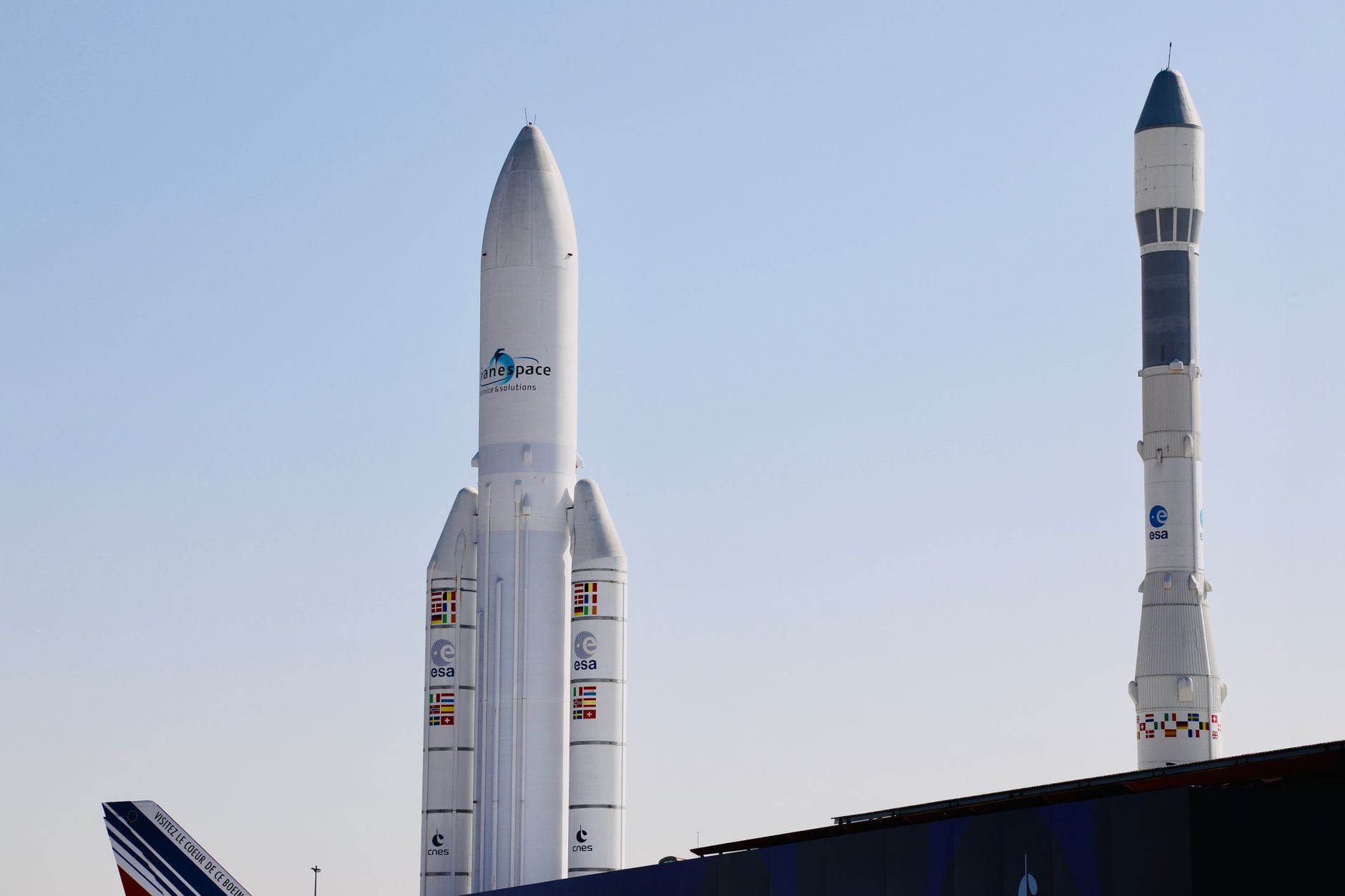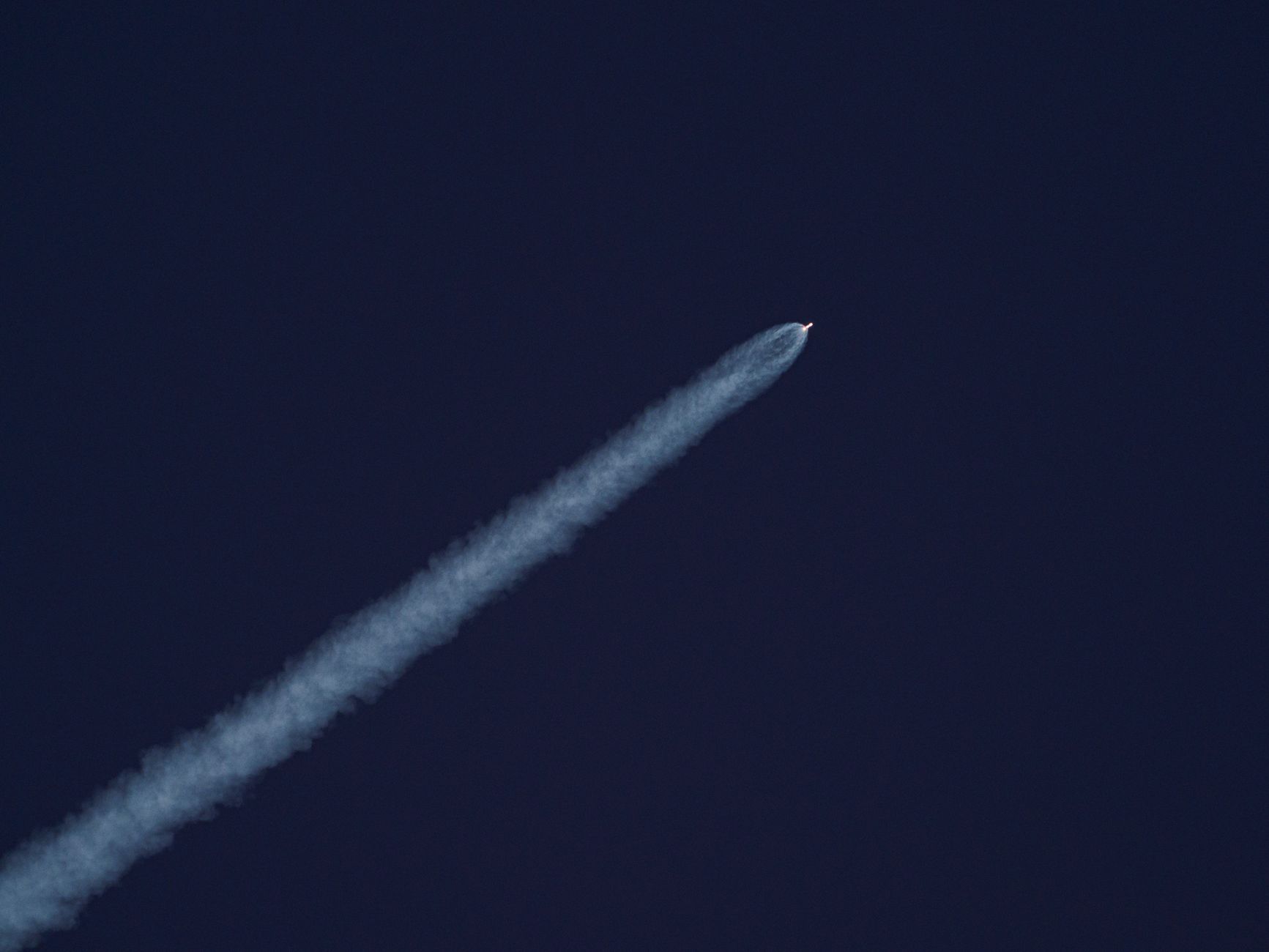
Japan rocket launches are a key focus as the country targets 30 missions per year by the 2030s. This ambitious plan aims to enhance Japan’s position in the global space arena.
Overview of Japan’s Rocket Launch Goals
Japan is setting ambitious goals for its space exploration initiatives, aiming to achieve 30 rocket launches annually by the year 2030. This target reflects the country’s commitment to enhancing its presence in the global space arena and fostering technological advancements.
The Japanese government, alongside various private firms, is investing heavily in developing reliable and efficient launch systems. This initiative is seen as a crucial step for Japan to maintain competitive edge and contribute to international space missions.
Key objectives driving this effort include:
- Enhancing satellite deployment capabilities for communication and observation.
- Encouraging collaborations with international space agencies.
- Promoting private sector involvement in space technology.
By focusing on these goals, Japan aims to solidify its position as a leader in space exploration and innovation, paving the way for a future where Japan rocket launches become a routine aspect of global space operations.
Impact on Global Space Industry
The ambitious goal set by Japan to achieve 30 rocket launches annually by the 2030s is poised to significantly impact the global space industry. This increase in launch frequency is expected to enhance Japan’s position as a key player in the international space market.
As Japan rocket launches become more routine, several outcomes may emerge:
- Increased Collaboration: Japan’s growing capabilities may attract partnerships with other nations and private companies, fostering collaboration on various space missions.
- Boosting Innovation: The heightened demand for launches could drive advancements in rocket technology, including cost-effective and environmentally friendly solutions.
- Market Competition: Japan’s commitment to expanding its launch schedule may intensify competition among global players, leading to reduced costs and improved services.
- Economic Growth: A thriving space industry can stimulate Japan’s economy, creating jobs and supporting high-tech sectors.
Overall, Japan’s strategic focus on rocket launches is set to reshape the dynamics of the global space industry in the coming years.
Technological Innovations in Rocketry
Japan has been making significant strides in the field of rocketry, driven by a series of technological innovations aimed at achieving its ambitious goal of 30 rocket launches per year by 2030. These advancements not only enhance the efficiency and reliability of rocket launches but also position Japan as a formidable player in the global space industry.
One of the key innovations is the development of reusable rocket technology. By enabling rockets to return safely to Earth after launch, Japan significantly reduces costs and increases the frequency of launches. Additionally, the introduction of advanced materials and propulsion systems allows for lighter, more powerful rockets capable of carrying larger payloads.
Japan is also investing in collaborative projects with international space agencies and private companies, fostering an environment of shared knowledge and resources. This approach not only accelerates technological advancements but also strengthens Japan’s position in the competitive landscape of global rocketry.
As Japan continues to refine its rocket technology, the ambition to achieve 30 rocket launches a year by 2030 seems increasingly attainable.
Challenges Facing Japan’s Space Program
Japan’s ambition to achieve 30 rocket launches annually by 2030 is met with a variety of challenges that could hinder progress. Key issues include:
- Funding Constraints: Securing adequate funding for space exploration initiatives remains a significant hurdle. The government must balance investment in space with other pressing national priorities.
- Technological Reliability: As Japan ramps up its rocket launches, ensuring the reliability of its technology is paramount. Past failures have raised concerns about the robustness of current systems.
- International Competition: With other nations increasing their launch capabilities, Japan faces intense competition in the global space industry. This could impact its market share and partnerships.
- Regulatory Framework: Establishing a supportive regulatory environment is essential for facilitating growth in the space sector. Bureaucratic hurdles can slow down the adoption of new technologies.
Despite these challenges, Japan remains committed to its goal of becoming a leading player in global rocket launches, fostering innovation and collaboration in the space arena.
Comparative Analysis with Other Nations
In the realm of space exploration, Japan’s ambitious goal of achieving 30 rocket launches annually by 2030 places it in a competitive position among leading space-faring nations. When compared to the United States, which successfully executed over 80 launches in 2022, Japan’s target may seem modest yet reflects a strategic emphasis on quality and innovation.
Similarly, countries like China are rapidly expanding their launch capabilities, with over 60 launches last year, showcasing their commitment to becoming a dominant force in space. Meanwhile, the European Space Agency has maintained a steady pace, focusing on collaborative missions rather than sheer launch numbers.
As Japan aims to enhance its rocket launches, the emphasis will not only be on quantity but also on fostering international partnerships and technological advancements. This approach could position Japan as a key player in the global space industry, particularly in areas such as satellite deployment and deep-space exploration, marking a significant evolution in its space program.
Future of Space Exploration in Japan
The future of space exploration in Japan looks promising as the nation pushes towards its ambitious goal of achieving 30 rocket launches a year by the 2030s. This target not only reflects Japan’s growing capabilities in rocketry but also its commitment to becoming a significant player in the global space industry. As Japan rocket launches increase, the country aims to foster international collaboration and enhance its technological expertise.
Key to this vision is the development of reusable launch systems. By investing in advancements that allow for cost-effective and efficient missions, Japan seeks to reduce the financial burden of space exploration. Moreover, the country is focusing on expanding its commercial space sector, which is expected to attract private investments and partnerships.
- Increased Launch Frequency: Japan’s focus on innovation may lead to more regular launches.
- International Partnerships: Collaborations with other nations can bolster capabilities.
- Investment in Technology: Continuous investment will enhance Japan’s rocketry precision.
These initiatives position Japan favorably in the realm of space exploration, paving the way for a bright future.
Investment in Aerospace Sector
Japan’s commitment to achieving 30 rocket launches annually by 2030 has sparked significant investment in its aerospace sector. This bold goal is not only aimed at boosting national prestige but also at fostering innovation and economic growth within the industry.
To support this initiative, the Japanese government has allocated substantial funding to enhance research and development in rocketry and satellite technology. This investment strategy includes:
- Public-Private Partnerships: Collaborations between government agencies and private companies are essential to streamline resources and expertise.
- Infrastructure Development: Upgrading launch facilities and testing sites is crucial for increasing the frequency and reliability of launches.
- Talent Acquisition: Attracting skilled professionals and researchers to the aerospace sector ensures that Japan remains competitive in the global market.
By prioritizing these areas, Japan is positioning itself as a key player in the international space arena, paving the way for future rocket launches that will contribute to both national and global space exploration efforts.
Public Interest in Space Missions
The public interest in Japan rocket launches has surged in recent years, reflecting a growing enthusiasm for space exploration and technology. This shift in perception can be attributed to several factors:
- Educational Initiatives: Schools and universities are increasingly incorporating space science into their curriculums, inspiring a new generation of scientists and engineers.
- Media Coverage: With extensive media coverage of recent missions, including successful satellite deployments and international collaborations, the excitement surrounding Japan’s ambitions is palpable.
- Community Engagement: Local events and public viewings of rocket launches have fostered a sense of community involvement, allowing citizens to witness these historic moments first-hand.
- Social Media Influence: Platforms like Twitter and Instagram have amplified public interest, enabling enthusiasts to share their experiences and insights, thus broadening the audience.
As Japan targets 30 rocket launches a year by the 2030s, this increasing public engagement is likely to play a crucial role in sustaining momentum and support for its ambitious space program.
Japan rocket launches have become a focal point in the country’s ambitious plans for space exploration. By investing in innovative technologies, Japan aims to make these rocket launches more efficient and sustainable.
Photo by Dirk Schuneman on Pexels