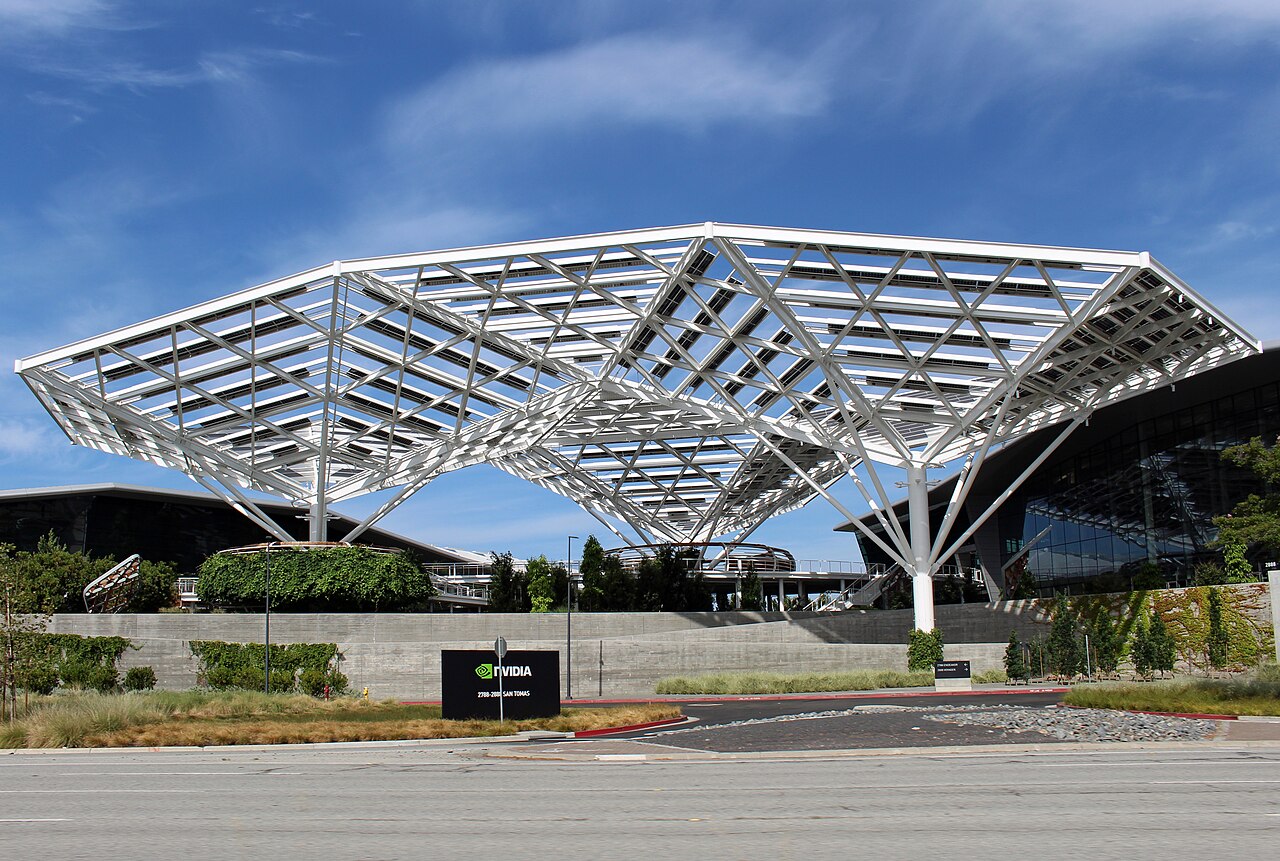


The Quad Manila Summit focuses on the Quad Manila Summit and its commitment to addressing supply chain issues. Leaders are determined to implement effective solutions that enhance regional cooperation and resilience.
Overview of the Quad Manila Summit
The Quad Manila Summit recently convened to address pressing global challenges, particularly in the realm of supply chain resilience. Leaders from the Quad nations—Australia, India, Japan, and the United States—came together to discuss strategies aimed at strengthening supply chains amid ongoing disruptions caused by geopolitical tensions and pandemics.
During the summit, participants emphasized the importance of collaboration and innovation. They acknowledged that a robust supply chain is crucial for economic stability and growth. The discussions centered around several key themes:
- Diversification: Reducing dependency on single sources by exploring alternative suppliers.
- Digital Transformation: Leveraging technology to enhance transparency and efficiency in supply chain management.
- Resilience Building: Implementing frameworks that allow for quicker adaptation to unforeseen challenges.
Furthermore, the summit highlighted the necessity of public-private partnerships to foster investment in infrastructure and technology, ensuring that supply chains can withstand future shocks. The Quad Manila Summit serves as a pivotal platform for advancing these critical discussions and establishing actionable strategies.
Key Outcomes from the Summit
The Quad Manila Summit yielded several key outcomes that aim to strengthen global supply chains amidst ongoing challenges. Leaders from the Quad nations emphasized the importance of resilience and adaptability in supply chain management, recognizing that recent disruptions have highlighted vulnerabilities.
- Enhanced Collaboration: The summit underscored a commitment to enhanced collaboration among member countries, focusing on sharing best practices and technologies to streamline logistics and improve efficiency.
- Investment in Infrastructure: Participants agreed to invest in critical infrastructure, which is essential for facilitating smoother trade routes and reducing bottlenecks in supply chains.
- Supply Chain Transparency: The importance of transparency was a recurring theme, with leaders advocating for better data sharing to foresee disruptions and respond promptly.
- Sustainable Practices: A focus on sustainability was also prominent, urging all nations to adopt environmentally friendly practices within their supply chains.
These outcomes from the Quad Manila Summit not only reflect a unified approach to tackling supply chain issues but also set a foundation for future cooperation among the Quad nations, aiming for a more robust and resilient global trade environment.
Quad Manila Summit’s Supply Chain Challenges
The recent Quad Manila Summit has highlighted several critical supply chain challenges that member nations face in the current global landscape. As the summit convened leaders from the United States, Japan, India, and Australia, discussions centered on how to bolster supply chain resilience amid ongoing disruptions.
One major challenge identified is the dependency on single sources for key materials, which has left countries vulnerable during times of crisis. The leaders emphasized the need for a diversified supply chain strategy to mitigate risks. Key points discussed included:
- Investment in Technology: Encouraging the use of advanced technologies such as artificial intelligence and blockchain to enhance transparency and efficiency.
- Strengthening Regional Partnerships: Collaborating with neighboring countries to create a more robust supply chain network.
- Addressing Trade Barriers: Working towards reducing tariffs and non-tariff barriers that hinder the smooth flow of goods.
The Quad Manila Summit’s supply chain challenges underscore the urgent need for cohesive strategies that can adapt to an ever-evolving global market, ensuring that member nations can thrive in the face of adversity.
Regional Cooperation Strategies
The Quad Manila Summit brought together leaders from Australia, India, Japan, and the United States to discuss essential regional cooperation strategies aimed at enhancing supply chain resilience. As global supply chains face unprecedented disruptions, the summit highlighted the importance of collaborative efforts among Quad nations.
Key strategies discussed included:
- Information Sharing: Establishing robust communication channels to share real-time data on supply chain bottlenecks and operational challenges.
- Joint Infrastructure Investments: Promoting investments in critical infrastructure to facilitate smoother logistics and transportation networks across member countries.
- Technology Collaboration: Leveraging advanced technologies like artificial intelligence and blockchain to improve transparency and efficiency within supply chains.
- Policy Alignment: Harmonizing regulatory frameworks to reduce trade barriers and streamline customs procedures between nations.
These strategies, discussed during the Quad Manila Summit, aim to create a more resilient supply chain ecosystem that can withstand future challenges and foster economic stability in the region.
Future Implications for Global Trade
The Quad Manila Summit has set a precedent for future global trade relationships by addressing supply chain resilience as a critical focus. As nations grapple with ongoing disruptions, the implications of the summit’s discussions could be profound for international commerce.
One of the primary outcomes is the commitment to enhance cooperation among member countries. This collaboration will likely result in:
- Improved transparency across supply chains, enabling better resource allocation.
- Increased investment in technology to streamline logistical processes and reduce delays.
- Joint efforts in risk management to mitigate the impacts of future crises.
Moreover, the Quad nations have recognized the importance of diversifying their supply sources, which could lead to a more balanced distribution of goods and services globally. As they work together to tackle shared challenges, the strategies devised during the summit may not only enhance regional cooperation but also foster a more robust global trading environment.
Overall, the outcomes of the Quad Manila Summit are poised to reshape how countries interact economically, emphasizing the need for adaptability and collaboration in an ever-evolving landscape.
Photo by Clarence Gaspar on Pexels